
A STARTING POINT FOR YOUR NEXT TASK
Building D&D Terrain with GPT-6 Astra
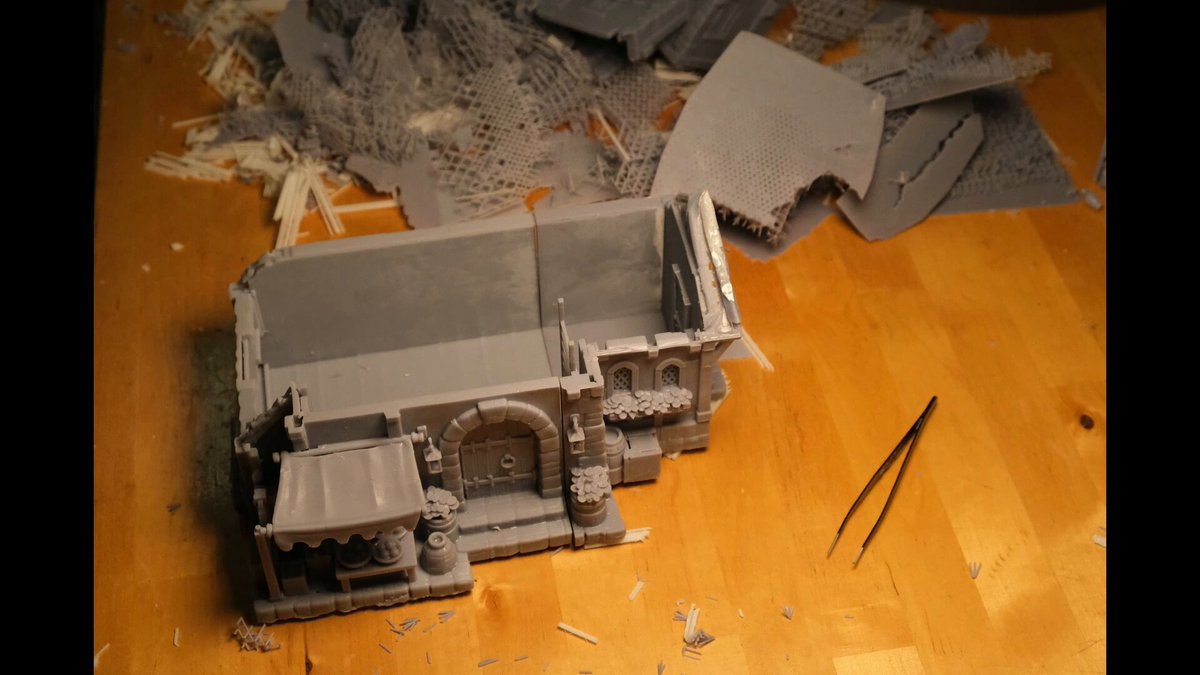
Showcase of using GPT-6 Astra to assemble 3D printed terrain pieces for Dungeons & Dragons. The workflow involves generating geometry, segmenting parts, and using Astra via Blender MCP to arrange floors and cut printable STLs.
改成你自己的任务。
- 补上你的材料、对象和使用场景。
- 说明要交付的文件、页面或文字,以及验收标准。
- 先在在线对话中梳理需求,再到桌面推进文件与工具执行。
中文参考
Building terrain for a massive D&D table with AI. First test house printed and assembled. It starts with AI generation. I generated the house geometry, then ran a segment model on it to get the separate parts. The whole set of parts went to GPT-6 Astra, and it assembled them into floors. Ground floor, upper floor, roof, each one a piece that lifts off the stack. After that, mirroring the outside in. The generated house has windows and doors only on the outer surface, so from the inside the walls are flat. I want these buildings playable on the inside, which means those openings have to be there as well. In Blender MCP, Astra mirrored that geometry inward, added a simple vertical ladder between the floors and steps in front of the door, then cut everything into printable parts and exported the STLs. Then I printed it and put it together as a test. It looks good and it's fun to handle, the whole thing opens up the way I wanted. The seams are the weak part: flat cuts running straight across the model, right through bare wall surfaces, hard to hide. On the next buildings the cuts should follow the model structure instead of ignoring it. Put them where the geometry already breaks: windows, door frames. Add sockets on the mating faces so the parts line up on their own. Gluing and painting are still ahead. This one was a test of the whole pipeline and I'm happy with where it landed. I know what to fix now, and the next models should be easier to assemble.
原始提示词
Building terrain for a massive D&D table with AI. First test house printed and assembled. It starts with AI generation. I generated the house geometry, then ran a segment model on it to get the separate parts. The whole set of parts went to GPT-6 Astra, and it assembled them into floors. Ground floor, upper floor, roof, each one a piece that lifts off the stack. After that, mirroring the outside in. The generated house has windows and doors only on the outer surface, so from the inside the walls are flat. I want these buildings playable on the inside, which means those openings have to be there as well. In Blender MCP, Astra mirrored that geometry inward, added a simple vertical ladder between the floors and steps in front of the door, then cut everything into printable parts and exported the STLs. Then I printed it and put it together as a test. It looks good and it's fun to handle, the whole thing opens up the way I wanted. The seams are the weak part: flat cuts running straight across the model, right through bare wall surfaces, hard to hide. On the next buildings the cuts should follow the model structure instead of ignoring it. Put them where the geometry already breaks: windows, door frames. Add sockets on the mating faces so the parts line up on their own. Gluing and painting are still ahead. This one was a test of the whole pipeline and I'm happy with where it landed. I know what to fix now, and the next models should be easier to assemble.
进入在线对话后,提示词会填入草稿,由你检查后发送。在线对话目前处理文本;网页、图片与 3D 制作需配合桌面端及相应工具。条目中的模型、技能和外部工具不代表当前账号已具备这些能力。